

Great Himalayan National Parkkasol
Biodiverse Nature Reserve
Overview
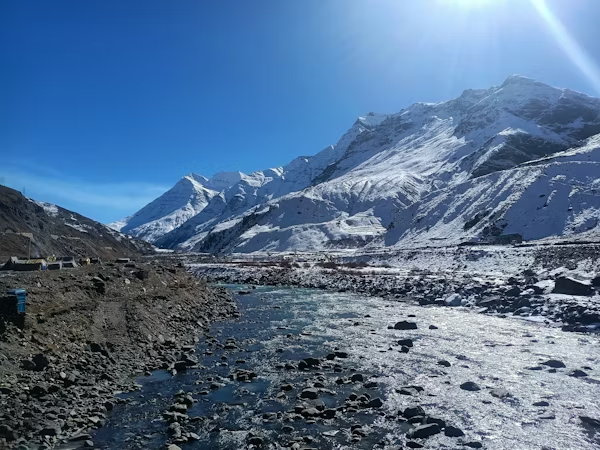
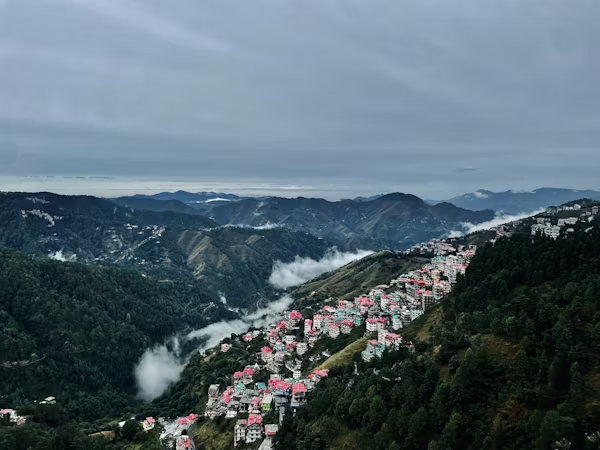
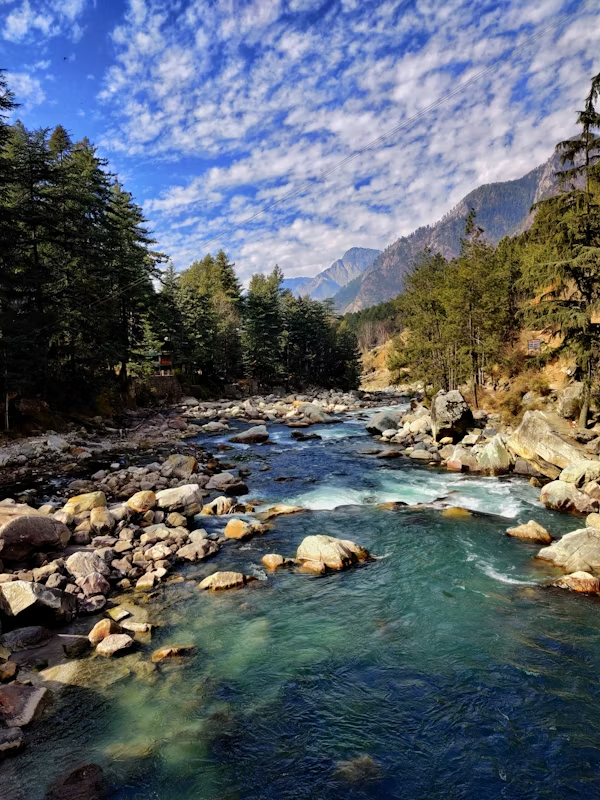
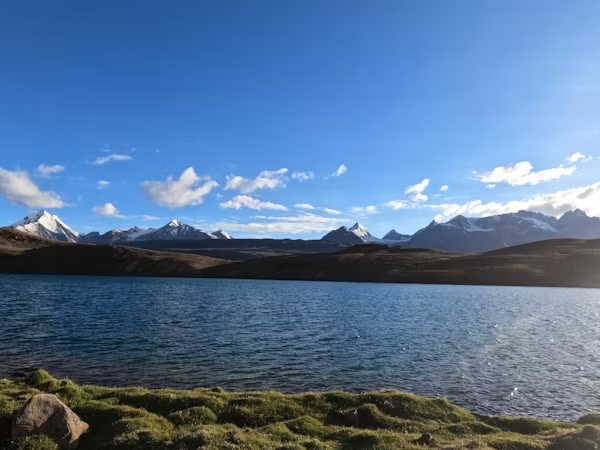
Located in the Kullu district and spread across four valleys, the Great Himalayan National Park is a UNESCO World Heritage Site at an altitude ranging from 1,700 to 5,800 meters.
What To Expect?
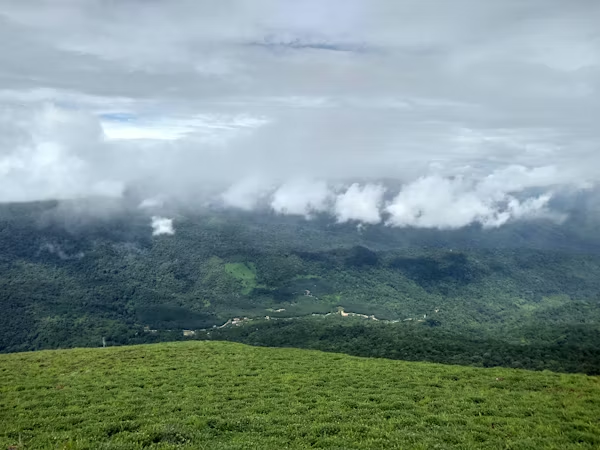
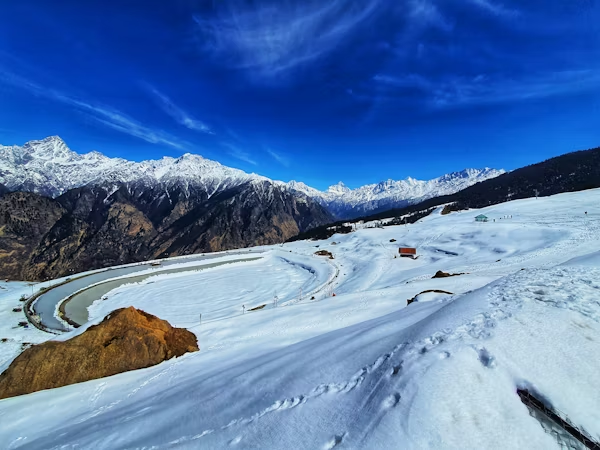
A vast wilderness featuring high-altitude meadows, glaciers, and dense oak forests. Expect to see rare species like the Western Tragopan (pheasant), Blue Sheep, and if lucky, the elusive Snow Leopard. The park offers world-class trekking opportunities and a deep dive into the untouched ecosystem of the Himalayas.
Tips
- Entry permits are mandatory; obtain them from the park office at Sai Ropa or Shansher.
- Hiring a local registered guide is highly recommended and often mandatory for core-zone treks.
- Carry sturdy trekking boots and warm clothing as temperatures drop significantly at night.
- Ensure you carry all your non-biodegradable waste back with you to keep the park pristine.
- Check the weather conditions before heading out, as high-altitude trails can be dangerous during heavy rain or snow.
Exploring Great Himalayan National Park
More About Great Himalayan National Park
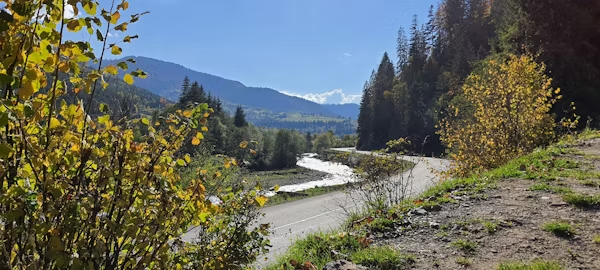
Located in the Kullu district and spread across four valleys—Tirthan, Sainj, Jiwa Nal, and Parvati—the Great Himalayan National Park (GHNP) is a UNESCO World Heritage Site. It is situated at an altitude ranging from 1,700 to 5,800 meters, making it a spectacular high-altitude reserve.
The park protects over 375 faunal species, including 31 mammals and 181 birds. It is one of the few places in the world where the natural habitat of several endangered species is preserved under strict regulation. For adventure seekers, it offers some of the most challenging and scenic treks in Northern India.
Exploring a destination...
The joy of travel comes in exploring new things. Planting your feet somewhere you’ve never been before brings with it the rush of discovery and the joy of pushing back on the boundaries of your world.
Discover a new city through a food tour. Food tour’s are the easiest way to take a tour, learn about the local delicacies, and the best of all, get great tips that aren’t just “local” tips for tourists, but sometimes, lessons for a lifetime too
Use Public Transportation. When you are in a new city, you can possibly see places and people that you wouldn’t normally see when simply walking to the places that checks your list. Some buses or rails take you to parts of the city you wouldn’t get to see otherwise. Whilst using public transportation, just ensure that you are following the local norms and do remember to watch the locals!
Find a local festival. Go beyond what other tourists might do while visiting a place. Look for the unique things you would want to do. Use social media or the local tourism website to find out what’s going on locally. You may have to move out of the center of the city to do some of the less popular but more unique things, so just keep that in mind!
How to reach Great Himalayan National Park
The main gateway is Gushaini in the Tirthan Valley, about 60 km from Kasol. You can hire a private taxi from Kasol or Kullu to reach the Sai Ropa or Gushaini gates where permits are issued.
Tips for Visiting Great Himalayan National Park, kasol
- Entry permits are mandatory; obtain them from the park office at Sai Ropa or Shansher.
- Hiring a local registered guide is highly recommended and often mandatory for core-zone treks.
- Carry sturdy trekking boots and warm clothing as temperatures drop significantly at night.
- Ensure you carry all your non-biodegradable waste back with you to keep the park pristine.
- Check the weather conditions before heading out, as high-altitude trails can be dangerous during heavy rain or snow.